Dr. Yvonne Nguyen · Dermatology Conditions

Eczema

Specialist eczema care for lasting relief, with accurate diagnosis, trigger identification, and evidence-based treatment.

Eczema, most commonly atopic dermatitis, is a chronic inflammatory skin condition characterised by dry, itchy, inflamed skin. It affects approximately 10–15% of Australians at some point in their lives and exists on a spectrum: from mild, occasional flares to persistent, widespread inflammation that significantly disrupts sleep, work, and quality of life. Atopic dermatitis often occurs alongside asthma, hay fever, and food allergies as part of the "atopic march."

For those with moderate to severe disease, eczema deserves the same medical attention as any other chronic systemic condition.

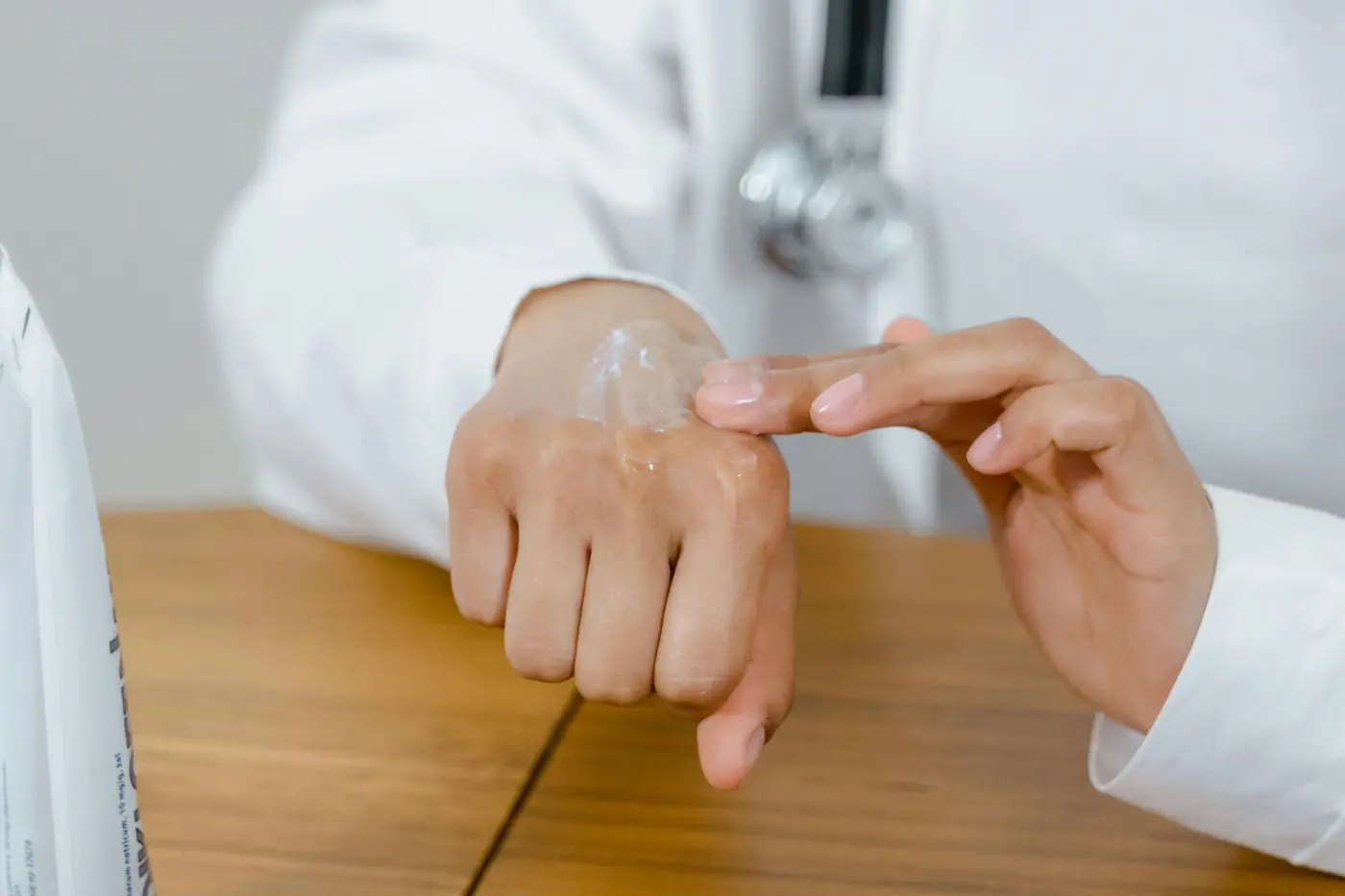
Close-up skin texture image representing eczema and atopic dermatitis care

01

Clinical assessment

Causes & Diagnosis

The core problem is a disrupted skin barrier combined with an overactive immune response. A defect in the filaggrin gene, which helps build the skin's protective outer layer, makes the skin more permeable, allowing moisture to escape and irritants to penetrate. Staphylococcus aureus, which colonises the skin of most people with eczema, plays a significant role in triggering and perpetuating flares.

Common triggers include dry skin, heat, soap and detergents, dust mites and pet dander, stress, and skin infections.

How is it diagnosed?

Diagnosis is primarily clinical, with pattern, distribution, and history forming the basis of assessment. Allergy testing or patch testing may be recommended to identify contributing factors. Distinguishing eczema from psoriasis, contact dermatitis, and seborrhoeic dermatitis is important, as these require different treatments.

02

Personalised plan

Treatment Options

Treatment is tailored to severity and daily impact.

Moisturisers and emollients are the active foundation of all eczema management, not an add-on. Applied consistently, they restore barrier function and reduce flare frequency and severity.

Topical anti-inflammatories, including topical corticosteroids and non-steroidal options such as topical calcineurin inhibitors, reduce inflammation during flares. The type and strength depends on the area affected and severity of the flare.

Systemic treatments for moderate to severe disease include biologic therapies, which target specific immune pathways driving inflammation, and newer oral treatments that have expanded the options available. Your dermatologist will discuss which approaches may be appropriate for your situation.

Phototherapy, which involves controlled exposure to specific wavelengths of light, may also be considered as part of a management plan.

Every patient's eczema is different. A specialist consultation determines which options are appropriate for you.

03

Daily support

Management & Self-Care

  • Moisturise within three minutes of bathing while skin is slightly damp
  • Use fragrance-free, soap-free cleansers
  • Identify and avoid your personal triggers where practical
  • Keep fingernails short to reduce skin damage from scratching
  • Manage flares early, as waiting for the skin to become severely inflamed makes them harder to control

04

Specialist review

See a Dermatologist If

  • Eczema is affecting sleep, work, or mental health
  • Flares are becoming more frequent or harder to control with current treatment
  • The skin becomes wet, crusted, or oozing, which may indicate infection
  • Eczema began or significantly worsened in adulthood

Discuss Eczema with Dr. Nguyen

Sources and further reading

These external resources provide general educational information and do not replace individual medical advice.