01
Clinical assessment
Causes & Diagnosis
Four processes interact at the hair follicle: excess sebum production, abnormal skin cell shedding (forming a comedone), proliferation of Cutibacterium acnes bacteria, and the resulting inflammatory immune response. Androgens, present in both men and women, drive sebum production and hormonal acne patterns. In women, conditions such as polycystic ovarian syndrome (PCOS) can significantly elevate androgen levels. Diet, stress, medications, and certain skincare products also influence severity.
How is it diagnosed?
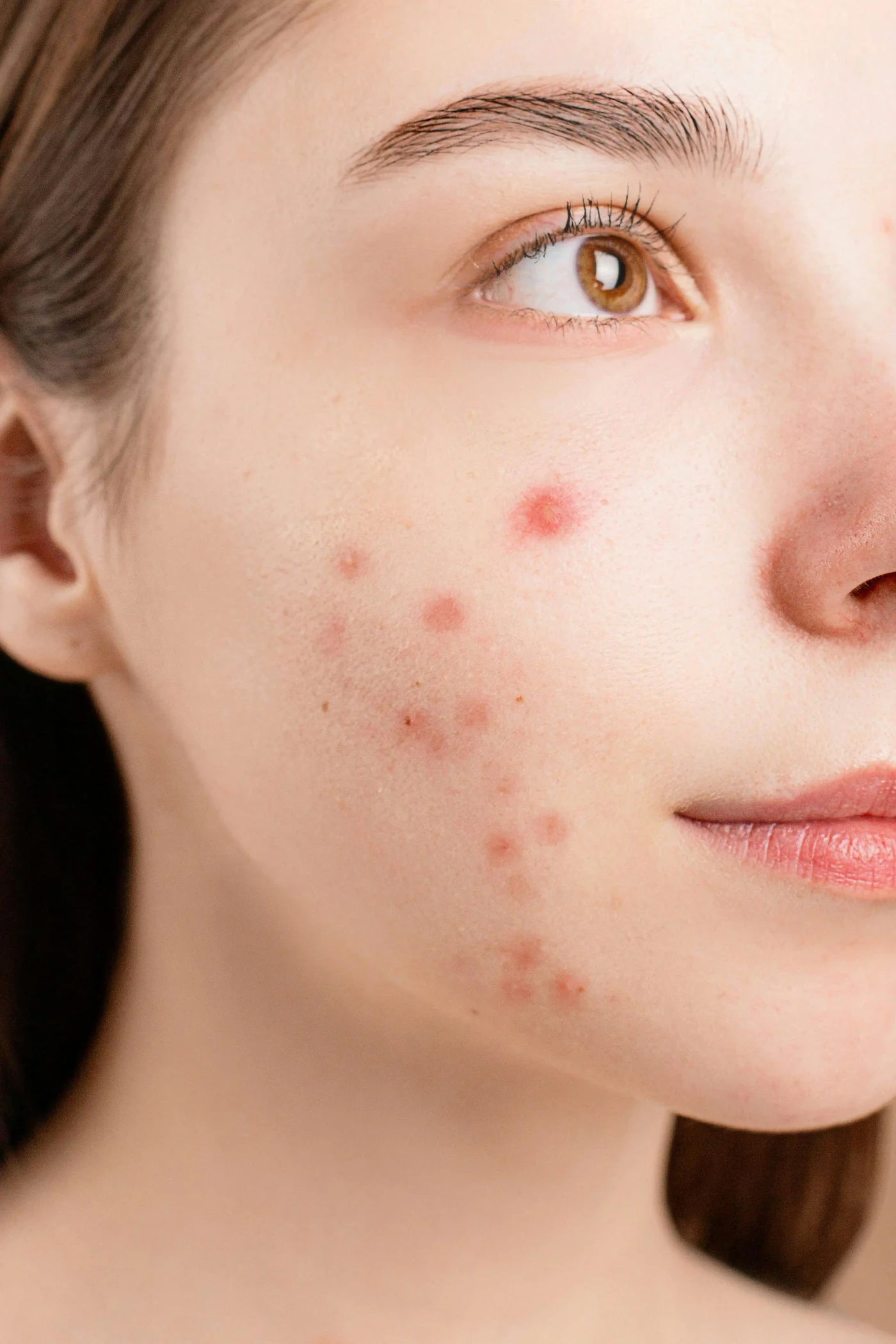
A dermatologist assesses lesion type, distribution, inflammation, and scarring, and considers whether hormonal or systemic factors are contributing. Blood tests may be recommended for women with suspected hormonal acne. Accurate diagnosis matters because different acne types respond to different treatments, and some approaches can worsen certain presentations.